
On-Page SEO Techniques to Improve Google Rankings in 2026
Have you ever wondered why some websites appear on the first page of Google while others are difficult to find? One important reason is SEO.
SEO stands for Search Engine Optimization. It helps websites become more visible when people search for information, products, or services online. One of the main parts of SEO is on-page SEO techniques.
On-page SEO means improving the content and elements of your website pages to help search engines understand them better. It includes using the right keywords, writing good titles, organizing content, adding internal links, and optimizing images.
In 2026, SEO is not just about adding keywords to a website. It is also about understanding what people are searching for and giving them useful answers.
In this blog, we will explore 11 simple on-page SEO techniques that can help improve your website’s search performance.
1. Choose the Right Keywords
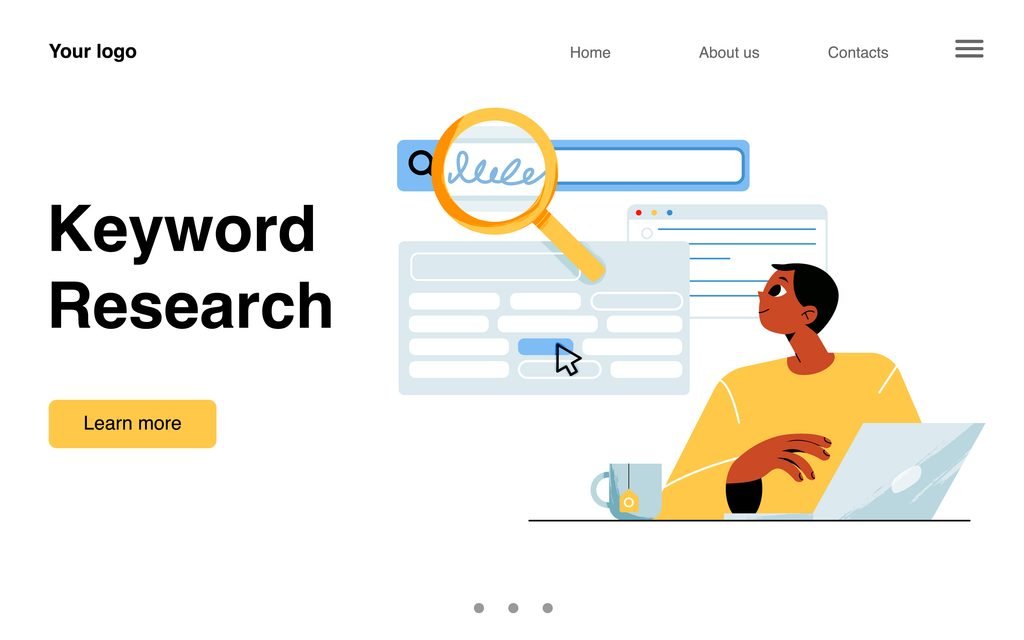
Keywords are the words and phrases people type into Google when searching for something. Choosing the right keywords helps you create content that matches what your audience wants to know.
For example, if you offer digital marketing services in Tirur, you might target keywords such as:
- Digital marketing agency in Tirur
- SEO services in Tirur
- Digital marketing consultant in Tirur
- Local SEO services for small businesses
Before writing a blog or creating a webpage, research the keywords related to your topic.
You can use tools like Google Keyword Planner, Google Search Console, and Google Trends to find keyword ideas and understand search behaviour.
Tips for keyword selection:
- Choose keywords related to your topic.
- Understand what users expect when they search.
- Use long-tail keywords that describe specific needs.
- Add related keywords naturally to your content.
- Avoid repeating the same keyword too many times.
The goal is to help the right audience find your website, not simply to use as many keywords as possible.
2. Write an Attractive SEO Title
The SEO title is the title that can appear in Google search results. It helps users understand what your page is about before they click on it.
For example, instead of writing a general title like “SEO Tips,” you could write:
On-Page SEO Techniques to Improve Google Rankings in 2026
This title clearly explains the topic and includes the main keyword.
When writing your SEO title, keep these points in mind:
- Include your main keyword naturally.
- Make the title clear and interesting.
- Keep it relevant to the page content.
- Give every important page a unique title.
- Avoid unnecessary words and keyword repetition.
A good title can encourage more people to visit your website. However, Google may sometimes display a different title based on the page content.
3. Create a Good Meta Description
A meta description is a short summary of your webpage. It may appear below the title in Google search results and help users decide whether your page is useful to them.
For example:
Learn simple on-page SEO techniques for 2026, including keyword research, content optimization, image SEO, and internal linking to improve your website’s search performance.
A good meta description should explain what readers will learn from your page.
Follow these simple tips:
- Include your main keyword naturally.
- Explain the main benefit of reading the page.
- Use simple and clear language.
- Write a unique description for each important page.
- Avoid misleading information.
Meta descriptions do not directly improve Google rankings, but a relevant description may encourage users to click your search result.
4. Organize Your Content with Headings
Imagine opening a blog that contains long paragraphs without any headings. It would be difficult to find the information you need.
Headings solve this problem by dividing your content into smaller sections. They make your blog easier to read and help search engines understand its structure.
Use heading tags in the following way:
- H1: The main title of your page.
- H2: The main sections of your content.
- H3: Smaller topics within an H2 section.
For example, in a blog about on-page SEO techniques, you could use “Keyword Research” as an H2 heading and “How to Find Long-Tail Keywords” as an H3 heading.
Use headings that clearly describe each section. Avoid adding keywords to every heading just for SEO purposes.
A well-organized blog gives readers a better experience and makes important information easier to find.
5. Write Useful and Original Content
Good content is one of the most important parts of SEO. When people visit your website, they expect helpful information that answers their questions.
Simply copying information from other websites or repeating keywords will not make your blog valuable.
Instead, write content that explains the topic in your own words. Include practical tips, examples, and information that readers can use.
Here are some ways to improve your content:
- Understand your audience before writing.
- Answer the main question clearly.
- Use short paragraphs and simple words.
- Add examples from real situations where possible.
- Check facts before publishing.
- Update old information when necessary.
- Remove unnecessary sentences.
For example, if you are writing about local SEO, explain how a business can improve its Google Business Profile, collect genuine customer reviews, and maintain accurate contact details.
Helpful content builds trust with readers and gives them a reason to return to your website. This is also an on-page SEO techniques.
6. Keep Your Website URLs Simple
A URL is the web address of a page. A clear URL helps people understand what they may find on that page.
For example:
Poor URL: example.com/page123?id=45
Better URL: example.com/on-page-seo-techniques
The second URL is easier to read and describes the topic clearly.
To create SEO-friendly URLs:
- Use simple and meaningful words.
- Include the main topic when appropriate.
- Separate words with hyphens.
- Avoid unnecessary numbers and symbols.
- Keep the URL easy to remember.
If your website already has good URLs, you do not need to change them just for SEO. If you change an existing URL, set up a suitable redirect to avoid sending visitors to a broken page. This is also an on-page SEO techniques.
7. Add Internal Links to Related Pages
Internal linking means connecting one page of your website to another page on the same website.
For example, if you write a blog about on-page SEO, you can link to another blog about keyword research or technical SEO.
Internal links help visitors explore related topics without searching for them separately. They also help search engines discover pages and understand how your website content is connected.
Follow these practices:
- Link to pages that are relevant to the topic.
- Use meaningful words for your links.
- Connect your blogs with related service pages.
- Check that your links work correctly.
- Avoid adding too many unnecessary links.
For a digital marketer, internal linking can also guide readers from an educational blog to a relevant service page, making it easier for interested visitors to learn more about the services offered.
8. Optimize Images Before Uploading
Images make your website more attractive and help explain information visually. However, large image files can slow down your website.
Image optimization helps your pages load efficiently and makes your images easier for search engines and users to understand.
Here are some simple image SEO tips:
- Use descriptive filenames, such as
on-page-seo-checklist.webp. - Compress images before uploading them.
- Choose suitable formats such as WebP when appropriate.
- Add descriptive alt text to meaningful images.
- Use images that match your content.
- Make sure images display properly on mobile devices.
Alt text describes an image for people who cannot see it and helps search engines understand its purpose. Write it naturally instead of filling it with keywords.
Optimized images can improve accessibility and support a better website experience. This is also an on-page SEO techniques.
9. Make Your Website Mobile-Friendly
Many people use smartphones to search for information, compare services, and shop online. If your website does not work properly on mobile devices, visitors may struggle to read your content or contact your business.
A mobile-friendly website adjusts to different screen sizes and keeps important information easy to access.
To improve mobile usability:
- Use a responsive website design.
- Choose readable font sizes.
- Make buttons easy to tap.
- Keep navigation simple.
- Avoid pop-ups that cover the main content.
- Check your pages on different screen sizes.
Google uses the mobile version of a website’s content for indexing. Therefore, make sure the important content on your mobile website is consistent with the desktop version.
A good mobile experience helps visitors use your website more comfortably. This is also an on-page SEO techniques.
10. Improve Website Loading Speed
Nobody likes waiting too long for a website to load. Slow pages can frustrate visitors and make it harder for them to find what they need.
Website speed is an important part of the overall user experience. It is also related to Google’s Core Web Vitals, which measure loading performance, responsiveness, and visual stability.
You can improve website performance by:
- Compressing large images.
- Removing unnecessary plugins.
- Reducing unused scripts where possible.
- Choosing reliable website hosting.
- Using browser caching where appropriate.
- Testing your website regularly.
If you use WordPress, review your theme, plugins, images, and caching setup to identify possible problems.
Tools like Google PageSpeed Insights can help you find performance issues and suggest improvements. This is also an on-page SEO techniques.
Remember that a fast website alone cannot guarantee first-page rankings, but improving performance can make your website more pleasant to use.
11. Track Your SEO Results
SEO does not end when you publish a blog. You need to check how your pages perform and identify areas that need improvement.
Google Search Console is a useful free tool for monitoring your website’s performance in Google Search.
It helps you review information such as search impressions, clicks, click-through rate, average search position, and indexing issues.
Google Analytics can help you understand how visitors interact with your website after arriving.
For example, if your blog appears in search results but receives very few clicks, you may need to improve the title or make the page more relevant to what people are searching for.
If visitors read your blog but do not explore other pages, consider adding useful internal links and clearer next steps. This is also an on-page SEO techniques.
Review your data regularly and make improvements based on what you learn.
Conclusion
On-page SEO techniques are an important step in improving your website’s visibility on Google. Small improvements to your titles, content, keywords, URLs, images, and internal links can help search engines understand your pages and make your website easier to use.
However, SEO is not a quick process. Results depend on several factors, including competition, content quality, search intent, and your website’s overall performance.
In this blog, we explained 11 simple on-page SEO techniques that can help improve your website’s search performance.
Instead of trying to rank by repeating keywords, focus on creating useful content and giving visitors a good experience.
Start with the techniques discussed in this blog, check your website regularly, and improve your pages based on real results.
Remember: Good SEO is not just about helping Google understand your website. It is also about helping people find the right information at the right time.